

Childhood Emotional Neglect Counselling
When something feels off, even if everything looked “fine”

What Is Childhood Emotional Neglect?
Sometimes the most impactful experiences are not what happened, but what was missing
Childhood emotional neglect can be difficult to recognize because it often does not involve obvious events or clear moments of harm. Instead, it is about not having certain emotional needs consistently met.
This can include not feeling seen, understood, supported, or emotionally safe in important relationships growing up.
Many people who experienced this would describe their childhood as “fine” or “normal.”
And yet, something still feels unsettled.
When your experiences were minimized, overlooked, or never fully acknowledged

Signs of Childhood Emotional Neglect
You might notice a quiet sense that something is missing, even if your life looks stable from the outside.
This can show up in different ways.
At times, it may be subtle, like feeling unsure of what you need or having difficulty identifying your emotions. Other times, it may feel more present in your relationships or in how you respond to stress.
You might find yourself:
Feeling disconnected from yourself or unsure of what you need
Downplaying your experiences or telling yourself “it wasn’t that bad”
Struggling with self-worth or a sense that you are not enough
Feeling uncomfortable with closeness, or overly responsible in relationships
Overthinking interactions or worrying about how you are perceived
Many people carry these patterns without realizing there is a name for them.
Why Emotional Neglect Can Still Affect You
These patterns often become deeply embedded over time.
Even when you begin to understand them, your system may continue to respond in familiar ways because they feel safer or more predictable.
You might notice thoughts like:
“I know why I do this, so why can’t I change it?”
“I should be able to handle this better”
“Other people seem fine, why is this so hard for me?”
This can lead to frustration, self-criticism, or a sense of being stuck.
How Children Adapt to Emotional Neglect
As children, we rely on our caregivers not just for physical needs, but for emotional connection and regulation.
When those emotional needs are not consistently met, the nervous system adapts.
You may have learned to stay quiet or self-reliant, to tune into others instead of yourself, or to suppress and disconnect from your emotions.
You may have become highly aware of your environment in order to feel safe.
These responses are not flaws. They are adaptations.
They helped you navigate your environment at a time when you had limited control.
The patterns make sense. And they can change

How Counselling Can Help with Emotional Neglect
Understand your past and reconnect with what you need today.
In our work together, we explore how your experiences shaped you and help you recognize feelings and needs you may have learned to set aside.
This can include:
Building awareness of your emotional patterns
Reconnecting with your needs and feelings
Understanding how your nervous system responds and how to work with it
Gently exploring parts of yourself that may feel unheard or pushed aside
This process is not rushed.
We move at a pace that allows you to feel safe, supported, and grounded.
You choose what to share and we decide together where to begin.
You’re Not Alone in This
Childhood emotional neglect is more common than many people realize.
Because it is subtle, it often goes unnoticed for years. There is nothing wrong with you for feeling the way you do. There are reasons for these patterns. And there are ways to begin shifting them.
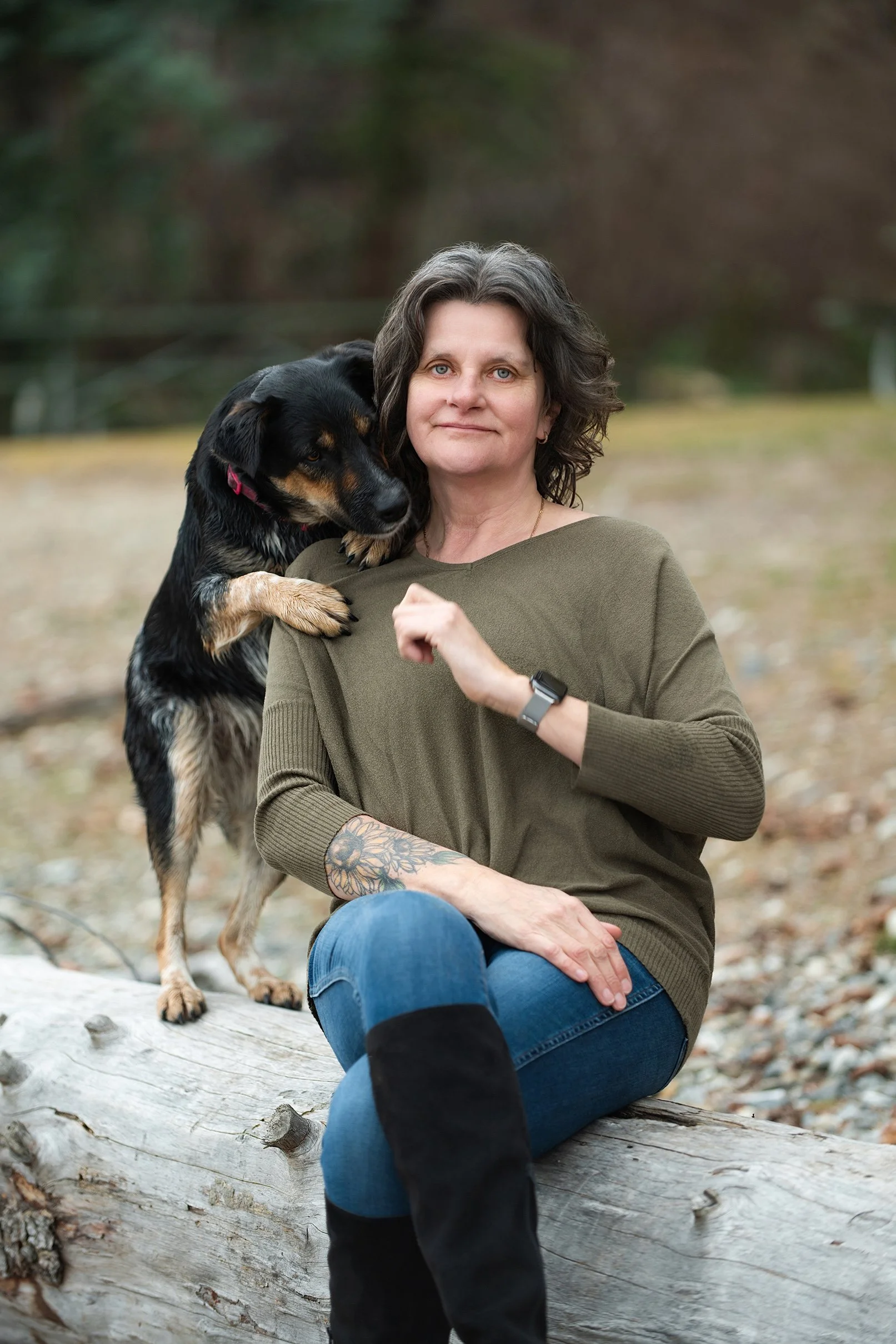
Emotional Neglect Counselling with Petra
I’m Petra Nielsen, a Registered Therapeutic Counsellor offering counselling in Kelowna and Lake Country. My background in early childhood education, infant development and family support informs how I understand early emotional needs and relationships.
If this page resonates with you, you may also find it helpful to explore:
Each of these areas connects in different ways and can offer additional insight into your experience.
Find Support for Childhood Emotional Neglect
Book a free consultation in Kelowna and Lake Country.
A free consultation offers space to:
Talk about what you have been experiencing
Ask questions about the process
See if this feels like a good fit for you