

Narcissistic Abuse Counselling
When connection and confusion start to feel intertwined

Recognizing Harmful Relationship Patterns
Some relationship experiences are difficult to explain, even to yourself.
You may not have clear language for what is happening, but you can feel that something is not right.
There may be moments of connection, followed by confusion, tension, or emotional distance. You might find yourself questioning your reactions, your memory, or your sense of what is reasonable.
Over time, this can become exhausting.
Making sense of what you’ve been experiencing
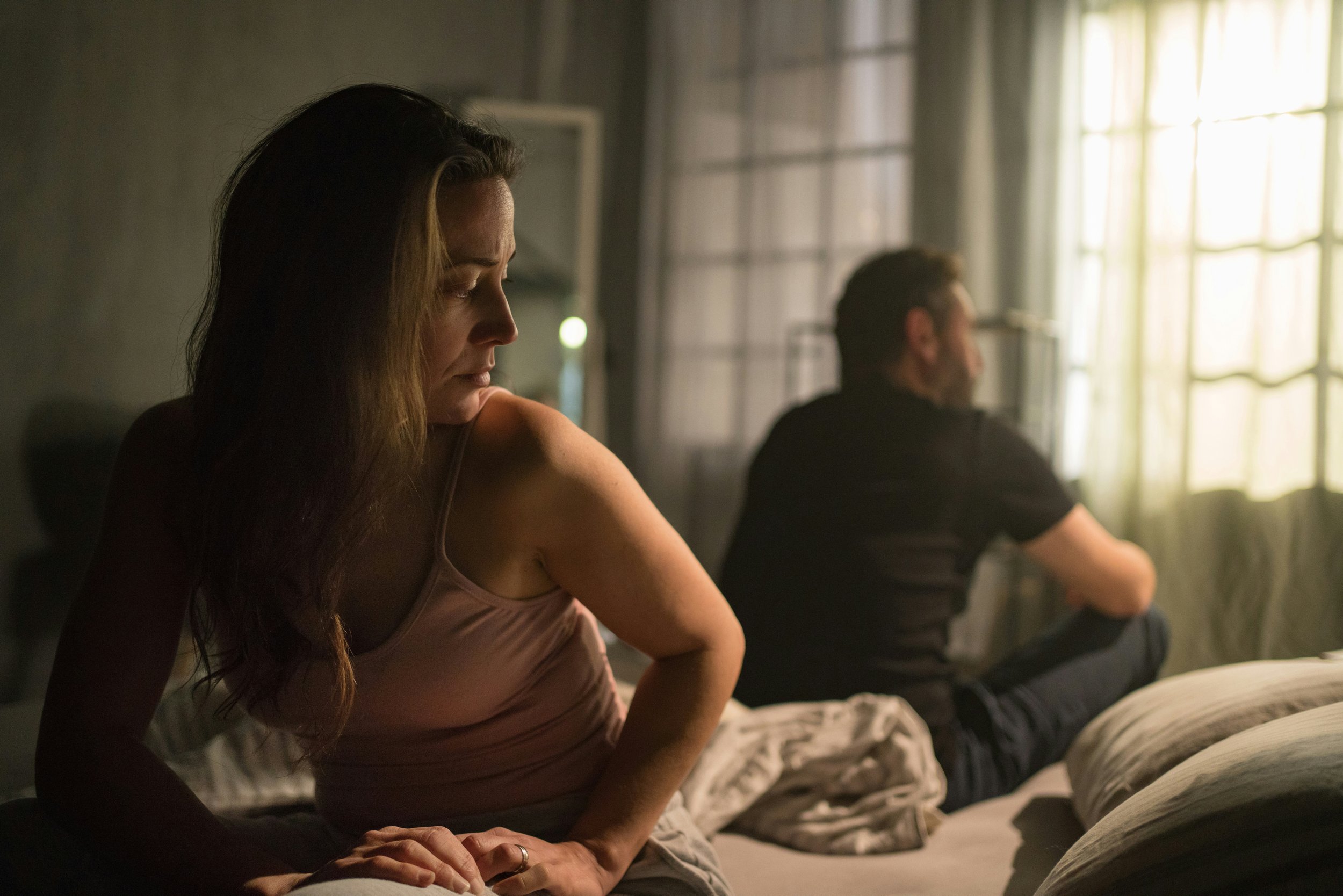
Signs of an Emotionally Harmful Relationship
You might notice yourself trying to make sense of the relationship, again and again
At times, this can feel like being pulled in two directions. Part of you may feel connected, while another part feels unsure, unsettled, or overwhelmed.
You might find yourself:
Feeling like you are walking on eggshells
Questioning your memory or how events actually happened
Taking responsibility for things that do not fully feel like yours
Trying to manage or stabilize the relationship
Feeling pulled back in after moments of distance or hurt
There can be a push and pull dynamic that is difficult to step out of.
How You Adapt to Harmful Relationships
Relationships that involve inconsistency, manipulation, or emotional unpredictability can have a significant impact on your nervous system.
When connection is mixed with tension or uncertainty, your system may begin to stay in a heightened state of awareness.
You may notice yourself scanning for changes in mood or tone, adjusting your behaviour to prevent conflict, or holding onto positive moments while minimizing the difficult ones.
These responses are not weaknesses.
They are ways your system tries to maintain safety and stability.
How Narcissistic Abuse Can Affect You
These patterns can slowly begin to affect how you see yourself and your role in relationships.
You might start to doubt your instincts, second-guess your feelings, or feel less certain about what you need or want.
At times, you may feel more anxious, reactive, or withdrawn. Other times, things may appear fine on the surface, while underneath there is a steady sense of emotional exhaustion.
It is not always obvious while you are in it.
Often, the confusion is part of the experience.
You deserve to feel heard, respected and safe in your relationships.

Why Leaving an Abusive Relationship Can Be Difficult
From the outside, these situations can seem straightforward.
From the inside, they are often much more complex.
There may be genuine moments of connection, alongside confusion or hurt. There may be hope that things will return to how they felt in the beginning, or a sense of responsibility, loyalty, or fear of making the wrong decision.
These layers can make it difficult to trust your own judgment or take steps toward change.
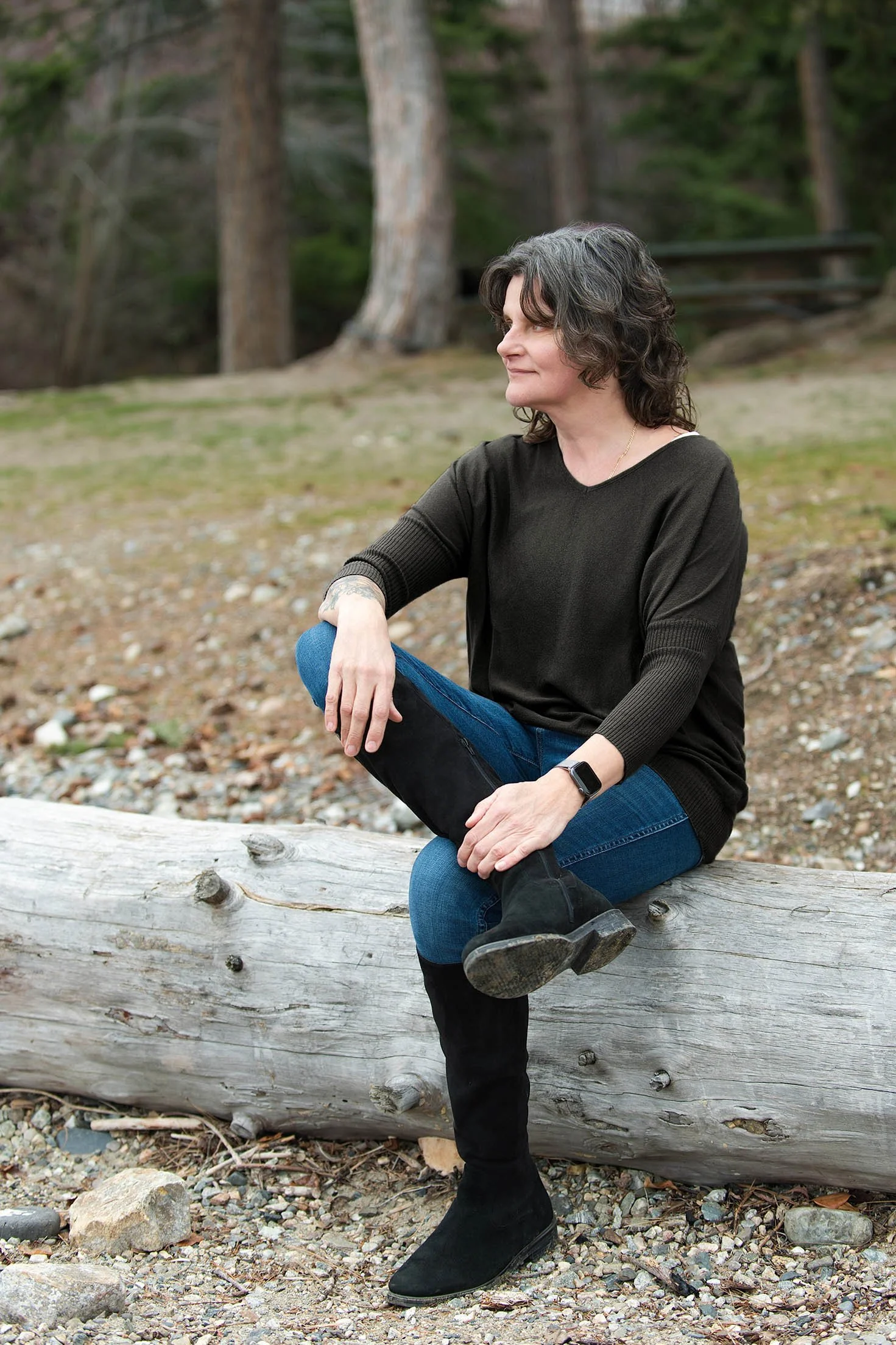
How Counselling Can Help With Narcissistic Abuse
Working through relational trauma is not about being told what to do.
It is about helping you reconnect with your own clarity and internal sense of direction.
In our work together, we explore the relationship patterns without judgment, rebuild trust in your thoughts and feelings and notice how you respond when you feel pressured or unsafe.
From there, we begin to create space for boundaries, clarity, and choice.
This process supports you in moving from confusion toward a more grounded understanding of what feels right for you.
Your Experience Matters
You don’t need to know whether someone is a narcissist to seek support for how their behaviour affects you. Your experience matters, even if you’re unsure whether it was “bad enough.”
Narcissistic Abuse Counselling with Petra
I’m Petra Nielsen, a Registered Therapeutic Counsellor offering counselling in Kelowna and Lake Country. I completed Narcissistic Abuse Treatment Clinician (NATC) training with Dr. Ramani Durvasula in 2024. This training informs how I support people navigating manipulation, self-doubt and the effects of emotionally abusive relationships.
If this resonates, you may also find it helpful to explore:
These areas are often closely connected and can offer additional insight into your experience.
Find Support for Narcissistic Abuse
Book a free consultation in Kelowna and Lake Country.
A free consultation offers space to:
Talk through what has been happening
Ask questions about the process
See if this feels like the right fit for you