

Somatic Therapy in Kelowna & Lake Country
Explore the connection between your body, emotions and responses to stress.

What Is Somatic Therapy?
Somatic means relating to the body.
Somatic therapy brings attention to physical sensations alongside your thoughts, feelings and experiences. You might notice tension in your shoulders, a held breath or a sense of restlessness as you talk.
In my counselling practice, we explore these responses gently and notice what helps you feel more present.
Talking remains part of our work. Paying attention to your body offers another way to understand what you’re experiencing.
Sometimes you notice the tension before you find the words.

How Does Somatic Therapy Work?
We begin by noticing what is happening in the present.
As we talk, I may invite you to notice your breathing, posture or a physical sensation. We can explore what changes when you pause, look around the room or feel the support of the chair beneath you.
These observations help guide our pace. You can decide whether an exercise feels useful and let me know when you would prefer to return to talking.

What Can Somatic Therapy Feel Like?
Small sensations can give us a place to begin.
In somatic counselling, you might notice:
Areas of tension or ease in your body
Changes in your breathing as a topic comes up
An urge to move, stretch or adjust your position
Difficulty noticing sensations at first
There is no particular response you need to have. Feeling unsure or noticing very little is something we can work with too. We can pause or shift our attention whenever you need.
How Somatic Counselling May Help
You may notice stress physically before you recognize what you’re feeling. Your jaw tightens during a disagreement or you feel restless when you try to relax.
Somatic counselling can help you become more familiar with these responses and explore what supports you when they arise.
We might practise noticing tension earlier, finding a comfortable point of focus or pausing before continuing a difficult conversation. The aim is to build awareness and give you more options in moments that feel overwhelming.
My Training in Somatic and Trauma Counselling
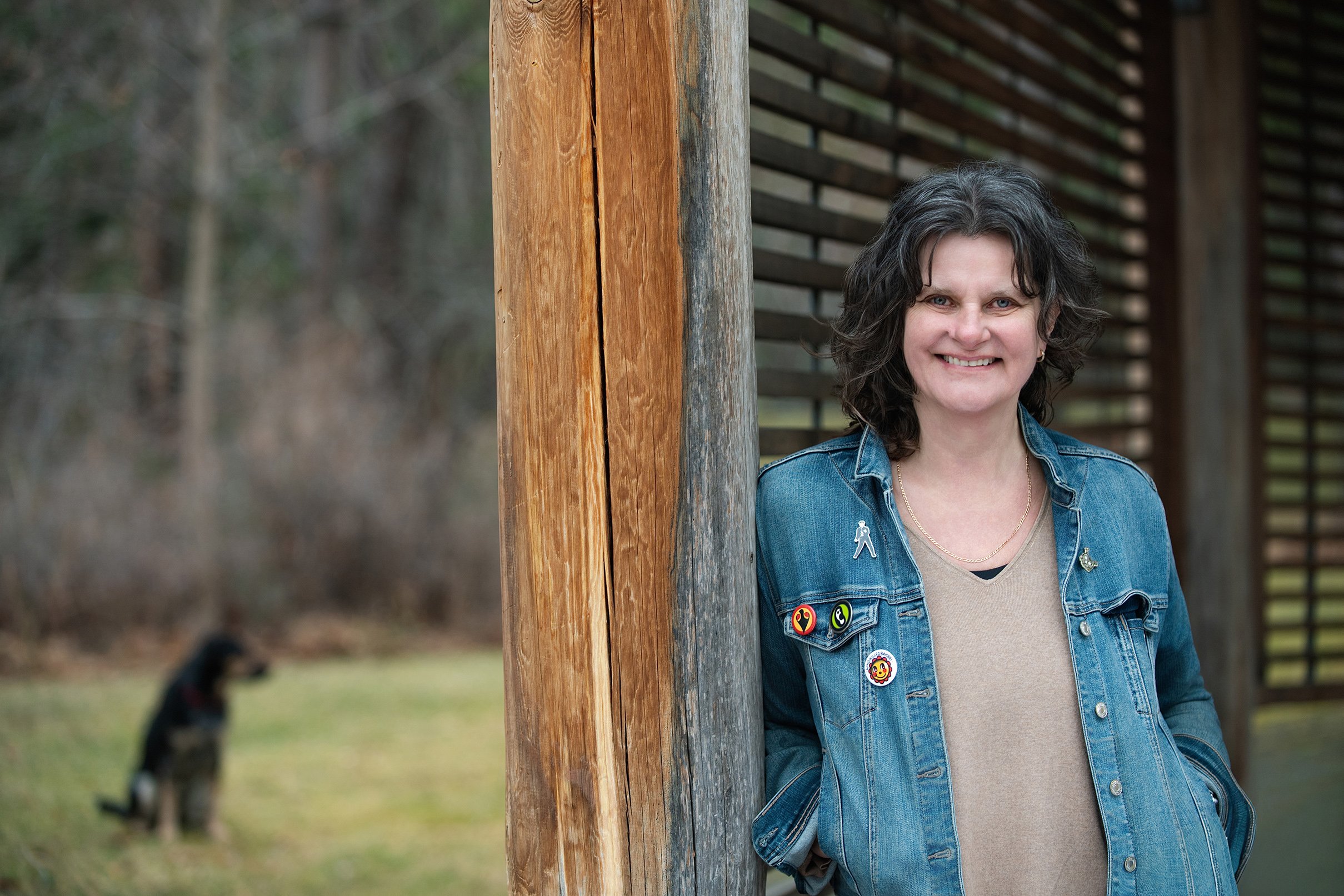
I’m Petra Nielsen, a Registered Therapeutic Counsellor and graduate of the Kelowna College of Professional Counselling. My relevant training includes:
Three-year Somatic Experiencing Professional Training, currently in progress
CCTP Level 1 trauma training with Janina Fisher, PhD (2023)
Mindfulness training with Dr. Richard Sears (2026)
Somatic Experiencing is a specific body-oriented approach to trauma. I’m developing my skills through this training while offering somatic, trauma-informed counselling within my current qualifications.
We can begin with something as simple as noticing where you feel supported.
Starting Somatic Therapy at Your Pace
Focusing on your body may feel unfamiliar or uncomfortable. We can begin with something outside you, such as noticing the room, rather than asking you to focus inward straight away.
My background in community and family support, including supporting people after the Grand Forks floods, has shaped my appreciation for practical support during stressful times.
We’ll discuss what feels manageable and adapt our work as we learn what helps you.
How Somatic Therapy Fits into Counselling
In my Kelowna counselling practice, body awareness can be part of exploring stress, difficult experiences and relationship patterns.
Depending on your needs, our work may also draw on:
I’ll explain the options we consider and how they relate to what you’d like support with. We choose a starting point together.
-
Very little touch is involved in my current practice. We work mainly through conversation, body awareness and guided exercises. If I suggest touch, I explain what it involves and ask for your explicit consent first. You remain fully clothed and can decline or ask me to stop at any time.
You can also choose to work entirely without touch. We’ll discuss what feels comfortable for you and adapt our sessions together.
-
I’ve completed Beginner Level 2 of the three-year Somatic Experiencing Professional Training and am continuing my studies toward the Somatic Experiencing Practitioner (SEP) qualification. I bring what I’m learning into my counselling work alongside my training in trauma support and mindfulness.
-
You don’t need to be familiar with body awareness to begin. I might invite you to notice something simple, such as your feet resting on the floor or the support of your chair. If you notice very little, we can talk about that too. There is no particular sensation you need to find.
-
We can pause and shift our attention. I might invite you to look around the room, notice something outside yourself or return to conversation. You can tell me what you’re experiencing without needing to explain why. We’ll use that feedback to decide what feels manageable next.
Explore Somatic Therapy with Petra
Book a free consultation in Kelowna and Lake Country.
A free consultation gives you the chance to:
Ask questions about somatic therapy
Discuss what you’d like support with
See whether working together feels right for you